


Introduction
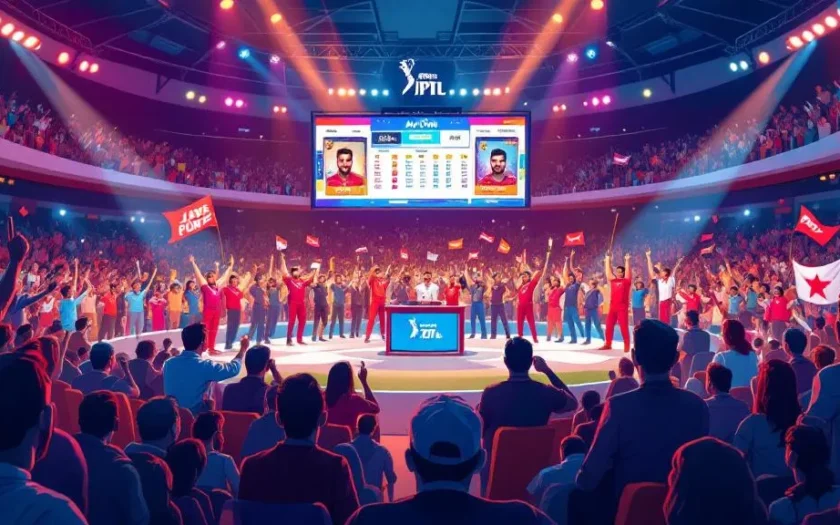
The Indian Premier League (IPL) has transformed cricket into a high-stakes spectacle, merging sports with business acumen. At the heart of this transformation lies the IPL auction, an event that draws global attention and sparks intense debates among fans, analysts, and players alike. Understanding the dynamics of the IPL auction is crucial for comprehending the broader implications it has on the teams, players, and the league as a whole.
The Auction Process
The IPL auction is a meticulously planned event where franchises bid for players to build their squads for the upcoming season. Here’s a breakdown of how the auction works:
Types of Auctions
-
Mega Auction:
- Occurs approximately every three years.
- Teams have a more extensive roster overhaul.
- A larger pool of players enters the auction.
-
Mini Auction:
- Takes place in the years between mega auctions.
- Focuses on filling specific gaps in team rosters.
- Limited player pool compared to mega auctions.
Auction Phases
-
Pre-Auction Strategy:
- Teams analyze their previous season’s performance.
- Franchises set their budgets based on salary caps.
- Teams identify key players they want to retain and those they wish to release.
-
Player Registration:
- Players register for the auction, indicating their base price.
- Franchises scout players based on performance metrics, fitness, and potential.
-
Bidding Process:
- Teams bid on players in real-time.
- The auctioneer facilitates the bids, and franchises raise paddles to indicate interest.
- The highest bidder secures the player.
Key Terminology
- Base Price: The minimum price a player is willing to be sold for.
- Purse: The total budget available to each team for purchasing players.
- Retained Players: Players that teams decide to keep from their previous squad.
Factors Influencing Auction Dynamics
Several elements affect how teams approach the IPL auction, shaping the strategies they implement. Here are a few crucial factors:
Team Composition
- Balance: Teams aim for a balanced squad with a mix of batsmen, bowlers, and all-rounders.
- Key Positions: Identifying and securing key positions such as a wicketkeeper or a star bowler can drive bidding wars.
Player Performance
- Recent Form: Players with outstanding recent performances command higher bids.
- Injury History: Past injuries can significantly impact a player's value and the willingness of teams to invest.
Market Trends
- Emerging Talent: Young players showing promise may attract attention, leading to bidding frenzies.
- International Stars: Established international players often become focal points during the auction, driving up prices.
Franchise Strategy
- Long-term Vision vs Immediate Needs: Teams must balance between investing in young talent for the future versus buying seasoned players for immediate impact.
- Fan Engagement: Franchises also consider the excitement around certain players to boost engagement and ticket sales.
Economic Implications
The IPL auction is not only about cricket; it has significant economic ramifications that extend beyond the sport.
Financial Investment
- Franchise Value: The auction impacts the overall valuation of franchises, with successful teams seeing a rise in their market value.
- Sponsorship and Advertising: High-profile players boost a team’s visibility, leading to more lucrative sponsorship deals.
Player Salaries
- Skyrocketing Prices: The auction has led to astronomical salaries for players, with some fetching sums in the millions.
- Economic Disparities: The disparity between players' earnings in domestic leagues versus international cricket is starkly highlighted during auctions.
Challenges and Controversies
The IPL auction is not without its challenges and controversies, which often spark discussions in the cricketing community.
Player Retention vs Free Agency
- Franchise Loyalty: Teams often grapple with the dilemma of retaining players versus risking losing them to free agency.
- Impact on Team Chemistry: Frequent changes in players can disrupt team dynamics and performance.
Ethical Questions
- Corruption Allegations: The auction has faced scrutiny over potential corruption, match-fixing, and the influence of agents.
- Player Mental Health: The pressure of being auctioned and the fear of being unsold can take a toll on players’ mental health.
Conclusion
Understanding the IPL auction dynamics is essential for anyone keen on grasping the complexities of modern cricket. From the strategic approaches taken by franchises to the economic implications of player salaries, each aspect plays a pivotal role in shaping the league's landscape. As the IPL continues to evolve, so too will the intricacies of its auction process. For fans and stakeholders alike, keeping a finger on the pulse of these dynamics will enhance the appreciation of not just the game, but the business of cricket as well.
