


Introduction
The Indian Premier League (IPL) has revolutionized the landscape of cricket in India and around the world, and a significant part of that transformation can be attributed to technological advancements in broadcasting. From the way fans watch matches to the integration of data analytics and interactive features, technology has played a pivotal role in enhancing the viewer experience. In this article, we will explore how technology has transformed IPL broadcasting, focusing on key innovations, viewer engagement, and the future of cricket broadcasting.
The Evolution of Broadcasting Technology in IPL
Traditional Broadcasting
- Television as the Primary Medium: When the IPL started in 2008, traditional television was the main medium for broadcasting matches. Viewers tuned in to watch games on cable and satellite networks.
- Limited Interactivity: Early broadcasts offered limited engagement features, with viewers primarily relying on commentators and graphics on the screen for information.
The Rise of Digital Broadcasting
- Streaming Services: With platforms like Hotstar (now Disney+ Hotstar) and JioTV entering the scene, IPL matches became accessible to a broader audience via online streaming.
- Multi-Device Accessibility: Fans can now watch matches on smartphones, tablets, and laptops, providing flexibility and convenience.
- HD and 4K Streaming: Enhanced picture quality in HD and 4K has enriched the viewing experience, allowing fans to see every detail on the field.
Enhanced Viewer Experience
Real-Time Data and Analytics
- Statistics on Demand: With the integration of real-time data, viewers can access player statistics, ball-by-ball updates, and historical comparisons during matches.
- Decision Review System (DRS): The use of technology in DRS has added a new layer of excitement and fairness to the game, allowing for instant replays and accurate decision-making.
Augmented Reality (AR) and Virtual Reality (VR)
- AR Graphics: Broadcasters have started using augmented reality to overlay statistics and visual aids onto the live broadcast, helping fans understand game strategies better.
- VR Experiences: While still in its infancy, VR technology is being explored to offer immersive experiences, allowing fans to feel as if they are on the pitch during key moments.
Interactive Features
- Fan Polls and Quizzes: Integrated features on streaming platforms allow fans to participate in polls and quizzes during live matches, enhancing engagement.
- Social Media Integration: Real-time social media feeds and highlights enable fans to share their thoughts and reactions, creating a community around the game.
Behind the Scenes: Technology in Production
High-Definition Camera Technology
- Multiple Camera Angles: The use of high-definition cameras from various angles allows producers to capture every moment, whether it’s a dramatic catch or a last-minute boundary.
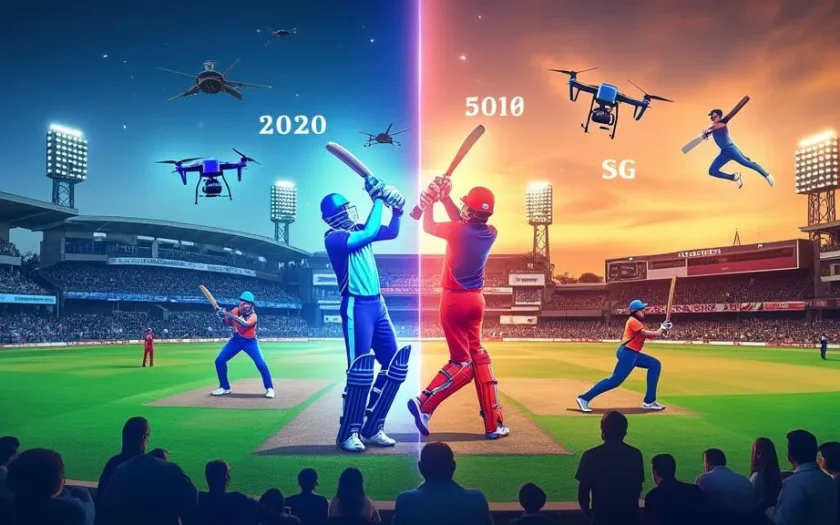
- Drone Technology: Drones are being used for aerial shots, providing breathtaking views of the stadium and the atmosphere around the matches.
Graphics and Visualization
- Advanced Graphics: Graphics technology has evolved to produce visually stunning replays, player profiles, and match analysis that are not only informative but also entertaining.
- 3D Visualization: Some broadcasts have begun to use 3D graphics to depict player movement and strategy on the field, enhancing viewer understanding.
Global Reach and Accessibility
Language Localization
- Diverse Commentary Options: To cater to a diverse audience, broadcasters now offer commentary in multiple languages, making the IPL accessible to fans across different regions.
- Subtitles and Captions: Subtitling and captioning have made content more accessible to the hearing-impaired community.
Global Streaming Partnerships
- International Reach: The IPL has formed partnerships with global streaming services, allowing fans from different countries to watch matches live.
- Localized Content: International broadcasters often tailor content to suit regional preferences, creating a more relatable viewing experience for global audiences.
The Impact of Social Media
Real-Time Engagement
- Live Streaming on Social Platforms: Platforms like Facebook, Twitter, and Instagram have enabled live streaming of matches and highlights, allowing fans to engage in real-time discussions.
- Behind-the-Scenes Content: Teams and players leverage social media to share behind-the-scenes content, enhancing fan connection and engagement.
Influencer Collaborations
- Influencer Marketing: Brands collaborate with social media influencers to promote IPL content, reaching younger audiences that may not engage with traditional media.
- Fan Challenges and Contests: Engaging fans through challenges and contests on social media platforms has created a buzz around the IPL, making it more interactive.
Looking Ahead: The Future of IPL Broadcasting
Artificial Intelligence and Machine Learning
- Predictive Analytics: AI can analyze player performance and match conditions to predict outcomes, which can be shared with fans during broadcasts.
- Personalized Content: Machine learning algorithms can tailor content to individual viewer preferences, enhancing the overall viewing experience.
Continued Innovation in Viewer Engagement
- Interactive Apps: Future advancements may lead to apps that allow fans to control their viewing experience, choosing camera angles and accessing personalized statistics.
- Enhanced VR Experiences: As VR technology matures, fans may enjoy fully immersive experiences from the comfort of their homes, including virtual stadium tours and player interactions.
Conclusion
Technology has fundamentally transformed IPL broadcasting, creating a more engaging, interactive, and accessible experience for fans. From real-time data analytics and augmented reality to social media integration and global reach, the innovations in broadcasting have changed the way fans connect with the sport. As technology continues to advance, the future of IPL broadcasting promises even more exciting developments that will further enhance the viewer experience. As we look ahead, one thing is certain: technology will continue to play a pivotal role in shaping the future of cricket broadcasting globally.
