


Introduction
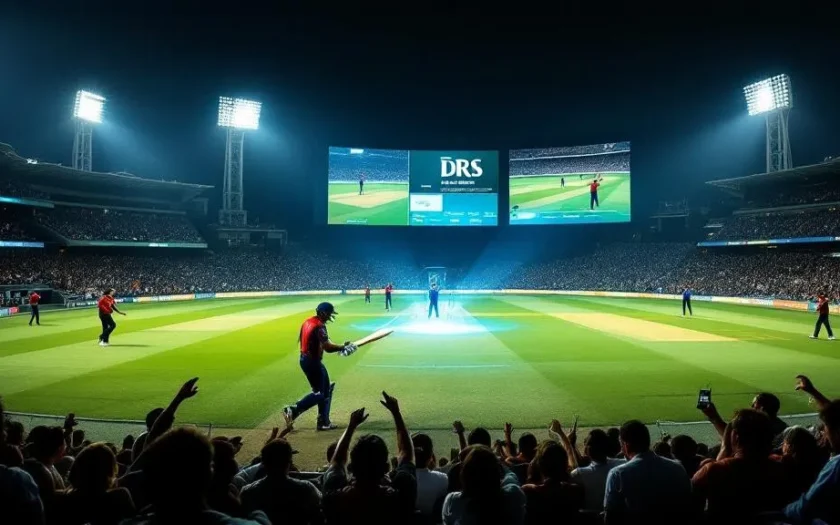
The Indian Premier League (IPL) has revolutionized cricket, both in terms of its commercial success and its influence on the way the game is played and officiated. One of the most significant changes in recent years has been the introduction of the Decision Review System (DRS). This technological advancement has transformed decision-making processes in cricket, leading to greater accuracy and fairness in the sport. In this article, we will explore how DRS has changed the landscape of decision-making in the IPL, the controversies surrounding it, and its impact on players, teams, and fans.
What is DRS?
The Decision Review System (DRS) is a technology-based system used in cricket to assist the on-field umpires in making more accurate decisions. Introduced in international cricket in 2008, DRS utilizes various technologies to review decisions made by the on-field umpires. The primary components of DRS include:
- Ball Tracking: This technology tracks the trajectory of the ball after it has been bowled, helping to determine whether a delivery would have hit the stumps.
- Ultra Edge (Snickometer): This tool detects whether the ball has made contact with the bat or any other part of the player's gear.
- Thermal Imaging: Used in conjunction with Ultra Edge, this technology helps confirm whether there was an edge, as it shows the heat generated by the bat's impact.
- Third Umpire: The third umpire has access to all available technology and can make decisions on run-outs, boundary calls, and other contentious issues.
The Impact of DRS in IPL
Enhanced Accuracy
One of the most significant benefits of DRS is the enhanced accuracy it brings to decision-making in the IPL. In a sport where a single decision can change the course of a match, DRS offers a lifeline to teams and players who feel they have been wronged.
- Reduction in Human Error: Umpires are human and can make mistakes. DRS minimizes the chances of incorrect decisions impacting the game.
- Increased Fairness: Players feel more secure in knowing that they have a mechanism to challenge decisions they believe are incorrect.
Strategic Use of Reviews
The introduction of DRS has also added a layer of strategy to the game. Teams must now carefully consider when to use their limited reviews, which can lead to thrilling moments and intense drama.
- Tactical Decisions: Captains and coaches must assess the likelihood of their reviews being successful based on the situation and the specific players involved.
- Psychological Warfare: Players often engage in psychological tactics, trying to convince umpires that their appeals are valid to sway decisions in their favor.
Controversies Surrounding DRS
Inconsistencies in Technology
Despite its advantages, DRS is not without its flaws. The technology can sometimes lead to inconsistent outcomes, which has sparked debates among players, analysts, and fans alike.
- Calibration Issues: Different pitches and conditions can lead to variations in how technologies function, resulting in discrepancies in decision-making.
- Use of Technology: Some players have expressed concerns about the reliability of certain technologies, particularly Ultra Edge, which can produce different results based on various factors.
Discontent Among Players
While many players embrace DRS, others remain skeptical. Some argue that the system disrupts the flow of the game, while others question its legitimacy.
- Traditionalists vs. Modernists: Some purists believe that cricket should rely on the judgment of umpires, while modern players appreciate the added layer of technological support.
- Frustration with Reviews: Players can become frustrated when their reviews are unsuccessful, leading to tensions on the field.
The Audience Perspective
The introduction of DRS has also changed the game for fans watching at home or in the stadium. The thrill of awaiting a review decision has added a new dimension to the viewing experience.
- Engagement: Fans are more engaged during matches as they anticipate and debate the outcomes of reviews.
- Instant Replays: With technology allowing for instant replays, viewers can witness the drama unfold in real time, making the match experience more exciting.
The Future of DRS in IPL
As the IPL continues to evolve, so too will the technologies that support it. The future of DRS in the IPL is likely to include enhancements and refinements that improve its accuracy and effectiveness.
- AI Integration: Advancements in artificial intelligence could lead to even more accurate predictions and decisions in real-time.
- Expanded Use: There may be discussions about expanding the use of DRS to include more types of decisions or even increasing the number of reviews a team can make.
Conclusion
The introduction of the Decision Review System has been a game-changer for the IPL, enhancing decision-making and impacting the overall experience for players and fans alike. While it has brought about controversies and challenges, the benefits of increased accuracy and fairness cannot be denied. As technology continues to advance, it will be fascinating to see how DRS evolves in the future, further shaping the dynamics of cricket in the IPL and beyond. With DRS, the balance of power in cricket has shifted, and it will undoubtedly continue to influence the game for years to come.